
Your slowest night is a growth opportunity.

Feast tests offers that bring new customers through the door—then tracks the orders and sales each offer brings in. Offers that fill tables profitably get more budget.

Book a short call and see if your restaurant is eligible.

How Feast fills a slow night

Feast doesn’t guess which promotion will work. It tests offers against real orders and keeps what pays.

  1. 01

    Pick the shift you want to fill

    Feast starts with your slowest nights, your margins, and what a new guest is worth, then builds a short list of offers worth testing.

  2. 02

    Put a real offer in front of new customers

    Real menu items, real people in the ads. The offer runs on Facebook and Instagram to locals who have never been through your door.

  3. 03

    Track them through the door

    Every offer is connected to the orders and revenue it creates in your restaurant, so you know exactly what each test made back.

  4. 04

    Scale what fills tables

    An offer that fills tables profitably gets more budget. An offer that misses makes the next test smarter.

Two restaurants that filled more tables.

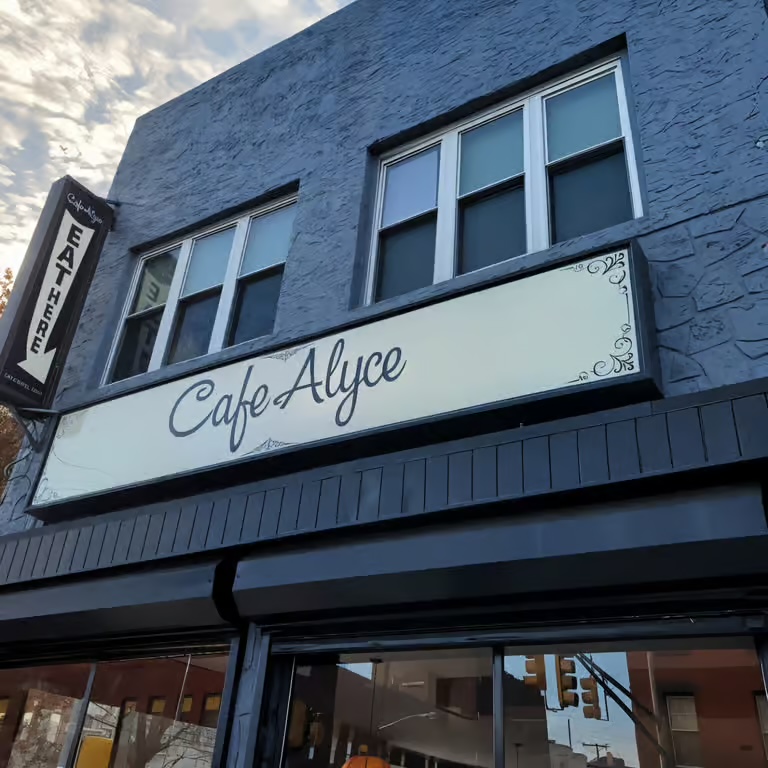
FIIZ found a winner on its first test. Alyce found one on its third. Feast tracked the restaurant sales each offer brought in and put more budget behind the winners.

FIIZ Drinks

A winner on the first test

FIIZ brought in 2,942 new guests across its measured campaigns.

FIIZ’s first tested offer proved profitable. Across the measured campaigns, Feast connected $25,923 in restaurant revenue back to $1,825 in ad spend.

14.2×tracked revenue / ad spend
2,942new guests
“From one restaurant owner to another—someone who personally runs seven restaurants every single day—this is the best marketing product I’ve come across in almost seven years of operating restaurants.”Jordan Olsen · Owner, Olsen Brands Management

Past performance does not guarantee future results.

Example: a slow Tuesday dinnerHalf emptyFull coversA direction for the system. Not a promise of full tables in 90 days.

What the first 90 days look like.

Posting more won’t tell you which offer can fill a Tuesday or how much you can afford to spend to bring in a new guest. Feast gets those answers by testing one offer at a time.

Week 101

Set up the system

Connect the restaurant, pick the shift to fill, and agree on the first offers worth testing.

Weeks 2–402

Test offer 01

Produce the ads, run the offer, and measure it against real orders over a 14-day window.

Weeks 5–703

Test offer 02

Use what happened in the first test to improve the offer or the ad, then test again.

Weeks 8–1004

Test offer 03

Use what the first two tests taught you to make the third better.

Weeks 11–1205

Keep a real-world buffer

Leave room for creator scheduling, approvals, or a test that needs a cleaner read.

Week 1306

Make the scale decision

Put more budget behind the winner. If there isn’t one yet, use what you learned to plan the next tests.

The first quarter includes three offer tests, with time for scheduling and approvals.

Average salaried in-house performance marketer

$76,804 / year$19,201 in salary over 90 days · before benefits and hiring overhead

Meet Remy

An in-house marketer, without the $76,804 salary.

Remy—Feast’s AI marketer—builds the ads, runs the tests, and tracks the orders they bring in. $1,500 per quarter.

  • A short list of offers built around your margins
  • Ad production with real people, launch, and management
  • Every offer connected to restaurant orders and revenue
  • Winning offers scaled; misses turned into better tests
  • Initial ad testing expected below $500 per month

$1,500 charged today. Subscription auto-renews every quarter. Ad spend is separate and stays under your control.

Meet your potential marketing hire and learn how to evaluate its first 90 days.

Meet your potential marketing hire

See if your restaurant is eligible.

Get a walkthrough of your potential marketing hire and learn how to measure its performance during its first 90 days.

What you’ll learnWhat Remy should deliver in 90 days—and how to measure it.

Ready when you are

Choose a time that works for you.The calendar opens over this page.

Frequently Asked Questions

What kind of offers does Feast test?

Feast builds offers around your margins and what a new guest can cost. Alyce’s winning test was a $30 Ribeye; FIIZ’s first tested offer proved profitable.

Does the $1,500 quarterly subscription include ad spend?

No. The $1,500 quarterly subscription covers Remy’s work. Initial ad testing is separate and is expected to stay below $500 per month, keeping the average starting budget under $1,000 per month.

What if the first offer doesn’t fill tables?

If an offer misses, Remy uses what happened to improve the offer or the ad before the next test. Alyce found its winner on test three.

Do I have to learn another piece of software?

No. Remy is the marketer, not another marketing dashboard. You make the high-value decisions while Remy handles producing, running, measuring, and improving the offers.

Is revenue guaranteed?

No. Advertising always involves testing, and past results do not guarantee future performance. The point of the system is to measure what actually happens, protect the testing budget, and keep improving toward offers that fill tables profitably.

How does billing work?

The Remy subscription is $1,500 paid quarterly and auto-renews every quarter.

Offer testing that fills more tables.

© 2026 Feast Analytics